
What is creatine and when and how should I take it?

At the gym, everyone thinks they have the answer. They'll tell you how many reps to do, how to breathe, or who to follow on Instagram. But meanwhile, there's a discreet molecule working silently, without motivational phrases or applause, sustaining the effort when the body starts to run out of steam.
Why is everyone asking about creatine?
The boom in sports supplementation has made creatine the queen of supplements, and although everyone is talking about it, there are many people who are still not clear about what it does and have prejudices about its consumption.
The most common questions are usually these:
- Does it only work if I lift weights?
- Does it inflate me like a pufferfish?
- Will it destroy my kidneys?
- When should I take it, before or after?
- Is it a drug? Could my heart fail?
- What if I'm a vegetarian or don't train?
So, let's bring order with clear science and a dash of humor to survive the chaos of the gym bar.
What exactly is creatine?
Creatine is a naturally occurring molecule that we produce in the liver, kidneys, and pancreas from three amino acids: arginine, glycine, and methionine. It then travels to your muscles and brain, which act as an energy reserve; there, creatine is stored as phosphocreatine.
When you make an explosive effort—a jump, a 10-second sprint, a UFC-style punch—your muscle uses an energy currency called ATP (Adenosine Triphosphate). The problem: it's depleted in 2 seconds.
And that's where phosphocreatine comes in as an emergency solution: it instantly regenerates ATP and gives you a few extra seconds of peak energy—turbo mode. This pathway is the one that takes over during short, intense bursts of effort (up to about 10 seconds). That bonus track is what allows you to perform like a superhero before your body has to resort to slower systems.
In addition, creatine also helps in cognitive processes, memory and neuroprotection (the brain also uses a lot of ATP even though it doesn't hurt like your arms at the gym).
You can get creatine from:
- Red meat and fish
- Your own body (although it produces little)
- Supplements that guarantee you'll reach optimal levels without eating half a can of tuna every day.
FAQ: Creatine without myths or dramas
🧠 What is it and what does it do in the body?
What exactly is creatine and what is it used for?
A molecule that stores quick energy in the form of phosphocreatine. It gives you a boost during explosive efforts.
Does it really improve strength or is it a placebo?
It improves performance and strength in explosive sports. It's not magic, it's biochemistry. It enhances performance in strength and explosive sports because it accelerates ATP regeneration.
Does it make me gain muscle faster?
Yes, indirectly: you train harder → more hypertrophy.
Does it make you gain weight or just retain water?
It doesn't make you fat. It increases water inside the muscle (intracellular), which helps with actual muscle growth.
Does creatine make you urinate more?
It is not a diuretic, it does not "force" the kidneys nor does it trigger urination on its own.
What happens is that you drink more water (because you're thirstier and you're drinking it with liquid) and your body redistributes the water to your muscles. As it adapts, you sometimes urinate a little more... and that's it. It's temporary and a good sign: your muscles are improving.
What are the benefits if I am sedentary?
It won't make you ripped without moving, but it does offer very real benefits: more brain energy (ATP for neurons), less mental fatigue, muscle protection with age (anti-sarcopenia), metabolic benefits (glucose and insulin sensitivity), and it will make it easier for you to progress faster if you ever start training.
How long does it take to notice?
1–3 weeks. With loading phase, earlier.
Is it suitable for sports other than gym workouts?
Yes: football, wrestling, rowing, swimming… anything with sprints or explosiveness.
Does it help memory and the mind?
Yes, especially if you have low reserves (vegans, older adults). More phosphocreatine → more ATP for neurons.
Does it increase concentration and intellectual performance?
Improvements have been seen in reaction time, reasoning, and mental fatigue.
Can creatine cause a positive doping test?
No. Creatine is not doping and will not cause a positive result in doping tests. It is not included on the WADA list of prohibited substances. The only real risk is not creatine itself, but poorly manufactured or contaminated supplements. That's why it's advisable to use pure creatine monohydrate and brands with quality controls. Creatine is legal, safe, and compatible with professional sports.
⚗️ Supplementation and practical use
What type of creatine should I buy?
Monohydrate. If it says Creapure®, better quality is guaranteed. Although there are many good quality brands.
How much should I take? Does it depend on my weight?
5g/day works for almost everyone.
If you want to be precise: 0.07–0.1 g/kg/day.
Charging phase: yes or no?
Optional. It only accelerates saturation; it does not change the final result.
Before, during, or after training?
Whenever you want. Consistency > timing. The important thing is to be consistent because it works by accumulation.
Can I mix it with protein, BCAAs, pre-workout…?
Yes, legal and drama-free mixes.
Does it matter if it's with water, juice, protein...?
Absorption is improved with food. The rest: up to the consumer's taste.
Can it be taken every day for months or years?
Yes. It is very safe for healthy people.
What happens if I skip days?
Nothing serious. You're just delaying muscle saturation.
How do I know if my creatine is pure and of good quality?
Certifications such as Creapure®, external analysis, and filler-free brands.
Why has the price gone up so much lately?
Increased demand (driven by trends), global logistics challenges, and rising prices for raw materials used in its synthesis. Science has become fashionable, and the market knows it.
🧬 Safety and possible side effects
Can it damage the heart, kidneys, or liver?
There is no evidence of harm in healthy people.
If there is kidney disease → medical consultation.
Does it cause diarrhea or discomfort?
If you take too much at once, yes. Divide the dose and you're good to go.
Does it interact with coffee, alcohol, or medications?
There are no known hazardous interactions.
Alcohol + gym: a bad combo in itself.
Can I take it if I'm vegan/vegetarian?
Yes, it benefits you more: your natural reserves are usually smaller.
Can teenagers and women take it?
Yes. It is one of the safest and most studied supplements (always using common sense).
Does it dissolve poorly? Is it normal for it to be gritty?
Completely normal. Monohydrate didn't win the "best solubility of the year" award. Although some micronized forms have better solubility.
Do I have to cycle it?
No. You can use it continuously.
💪 Long-term health and performance
Is it recommended for older people?
Quite a lot. It helps with strength, balance and autonomy, combating sarcopenia.
Does it have anti-aging benefits?
Indirectly, yes: improved muscle function, mitochondrial energy, and repair.
Does it help the bones?
Yes, by improving strength in impact exercises → more stimulus for bone density.
Does it help with definition or just bulking?
It works for both. Maintaining strength = maintaining muscle while losing fat.
What if I have hypertension or diabetes?
Consult your doctor. There are cases where it's okay, and cases where it's better not to.
🔍 Aesthetic doubts and gym paranoia
Is my hair falling out because of creatine?
It hasn't been proven. There was a small study, but it wasn't replicated. Your hair loss is due to testosterone overuse, not creatine.
Do I lose everything I've gained when I leave her?
You lose intracellular water and a little explosiveness. The real muscle remains.
Is my face swollen?
No. The retention is within the muscle. Face in normal mode, biceps in posing mode.
Does creatine cause real hypertrophy or just water retention?
Both. Intracellular water activates signaling that helps muscle grow.
Does it really make you fat?
It contains no calories → it adds no fat. If you gain weight, that's usually good news.
Mini conclusion
Creatine is the underrated molecule we should all know about. It's safe, effective, inexpensive, and has potential far beyond the gym. Whether you want it to improve your performance or simply give your brain a scientific boost, it's probably the best ally on your supplement shelf.
Nothing supernatural. Just safe science working in your favor 🚀
How to take creatine in real life?
Summary:
Type: Creatine monohydrate
Standard dose: 5 g per day
When: Whenever suits you best (consistency > timing)
With what: With food → better absorption
How long it takes: 1–3 weeks to become noticeable
Loading phase: Optional (20 g/day for 5–7 days), only for impatient users
Days off: Also taken → reservations are maintained
Rare dissolution: Normal, it mixes worse than Nesquik in cold water, although there are some micronized ones that dissolve quite well.
👉 Top trick
If you train in the afternoon/evening, taking it after training with food usually feels great and helps muscle protein synthesis.
👉 Classic mistakes to avoid
🚫 Taking a giant spoonful “to move faster”
🚫 Believing that sitting on the couch counts as exercise while using creatine
🚫 Suspend it during the definition phase (that's when it helps the most)
Creatine doesn't work magic... but it makes your magic last longer ⚡️
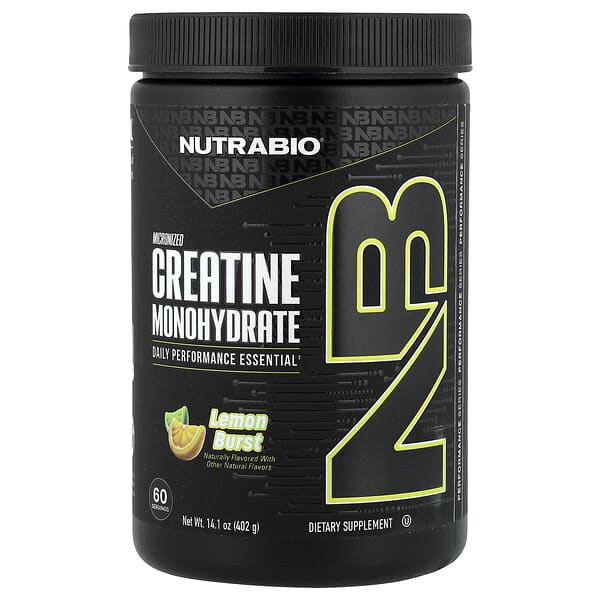
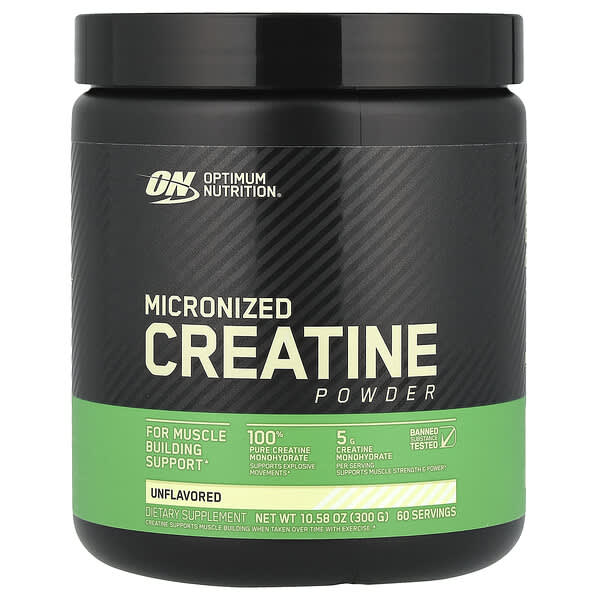
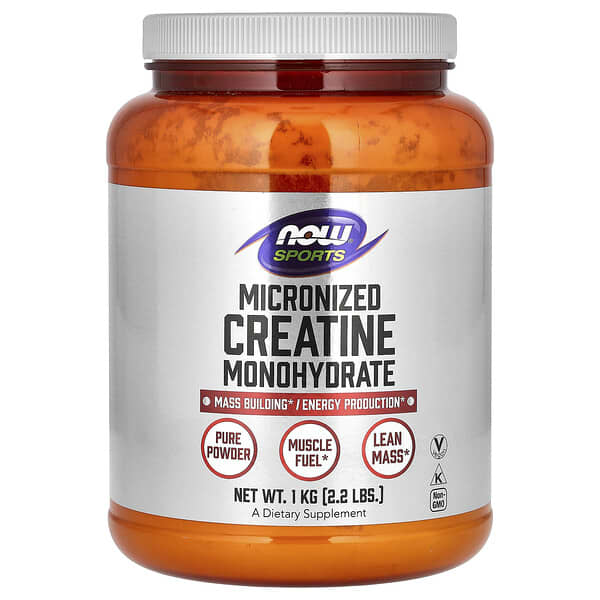
If you want to start improving your health with creatine, here is a selection of quality options from one of the most trusted stores in the supplement world.
3 comments
Artículo súper útil y súper informativo para orientar a toda la gente que quiera cuidarse e iniciar adecuadamente en el mundillo de los suplementos!!!
Tremendo artículo! Muy completo desmontando mitos y aclarando la seguridad de este suplemento top.
Muy interesante!! No sabía nada sobre la creatina y me ha parecido revelador para lo qué vale . Gracias